
Lynn Casey’s View from the Boardroom
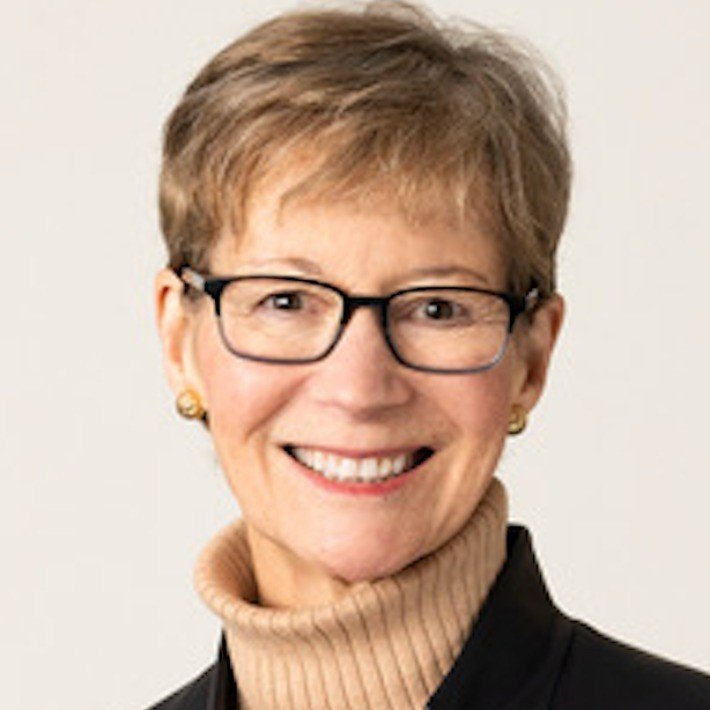
Board member - Xcel Energy
Board member - Surley Brewing Co
Board member - Lakewood Cemetary
Former CEO and board chair - Padilla
What made you decide that you wanted to become a corporate board member?
After spending the last 15 years of my career consulting with CEOs, their leadership teams and their boards on critical issues as well as growth opportunities, I realized that my trusted-advisor training could be an asset in the boardroom once I retired as the leader of Padilla. As it turned out, I didn’t have to wait until retirement and was able to join the board of an ESOP company and a public company while still at the firm.
How did you get connected to your first board seat?
I led an employee-owned (ESOP) company, which requires specialized knowledge to ensure compliance with regulatory agencies as well as vigilant control of the financials. I knew the company whose board I joined from the ESOP association that both our companies were active in. I didn’t know the leaders personally, but they knew me by reputation and that I had that specialized ESOP knowledge. They also were expanding their board, which was all-male at the time.
What steps did you take to prepare for the board interview process that benefited you most?
I knew very little about that company’s industry, which I thought might be a negative if they were interviewing candidates that had P&L experience, ESOP experience AND industry-specific experience. So I learned everything I could before the interview to help assure them that I was committed to really digging in and to exercising any muscles that were “weak” — in this case, lack of specific industry experience.
What characteristic or behavior do you believe was critical to your success in landing your first board role?
I went from zero knowledge of the company’s industry to a good understanding of the opportunities and real enthusiasm for the company’s prospects. As much as board members of established companies must be somewhat dispassionate in order to properly govern, I do believe that decision-makers want to see genuine enthusiasm. They want to know that directors will go above and beyond in good times and rough patches. Be enthusiastic!
Is there anything you wish you would have done sooner?
Yes! Two of the three private company boards on which I served sold and the boards dissolved as a result. I took on more volunteer work. But eventually I realized that my two remaining for-profit commitments (one a small family-owned business, one a Fortune 300 public company), while immensely satisfying personally and professionally, left too much of my business brain untapped. I needed to update my board profile in a major way and began telling everyone I knew that I had capacity. To my surprise, most of those contacts thought I was all “boarded up.” Bottom line: I’m glad I spent the time cultivating and re-cultivating my network, but I should have started much earlier.
What is the one essential piece of advice you’d offer to senior level executives pursuing their first board seat?
If you aren’t a QFE or don’t have P&L responsibility, make sure that you can demonstrate financial acumen as well as how your leadership has driven results for your company. CEOs need assurance that you know the language and can keep up with your peers on the board.
What is a favorite quote that inspires you?
"Chance favors the prepared mind.” That’s a rough translation of a quote by Louis Pasteur, who discovered pasteurization in the 1800s. He discovered it by chance — but only because he had the knowledge, experience and work ethic to understand how to make sense of what he was seeing in his lab. It has direct bearing on what Women in the Boardroom is all about — helping us prepare for that call we’ll get as a result of our preparation and our networks.
